


We’ve all seen it, maybe even done it ourselves. The messy but somehow still beautiful snapshots of our lives – an unmade bed, a flatlay of a study desk with piles and piles of books and notes strewn about, an insta-story of late night study sessions or staying overtime at work. A witty caption here and there about the suffering we seem to despise but simultaneously can’t stop bragging about. When did exhaustion become our aesthetic?

Because that’s exactly what it is now, isn’t it? An aesthetic. Exhaustion isn’t just something we experience. It’s now something we curate. It’s so trendy now, in fact, that even Cosmopolitan has curated an entire playlist for it – ”Breathe Out the Burnout <3” because in this economy, what else can be do but listen to Post Malone wail “I fall apart” repeatedly and have Justin Bieber remind us how maybe we should love ourselves. We create moodboards around it (#burnedoutgiftedkid) and photograph it in the best lighting. We’ve learned to make our pain pretty because, perhaps, it’s easier than facing it directly. If we’re going to suffer, we might as well look good doing it.

But somewhere in making our pain pretty, have we made it permanent? When exhaustion becomes your aesthetic, it becomes your identity. We’re not just tired – we’re the burnt-out friend, the overworked student, the person who’s always drowning but somehow still shows up. And that identity comes with perceived value: being exhausted means you’re needed, you’re contributing, you have work worth doing, a family worth caring for. Exhaustion has become nearly synonymous with worth. Because if you aren’t tired, then what are you doing? How are you contributing?
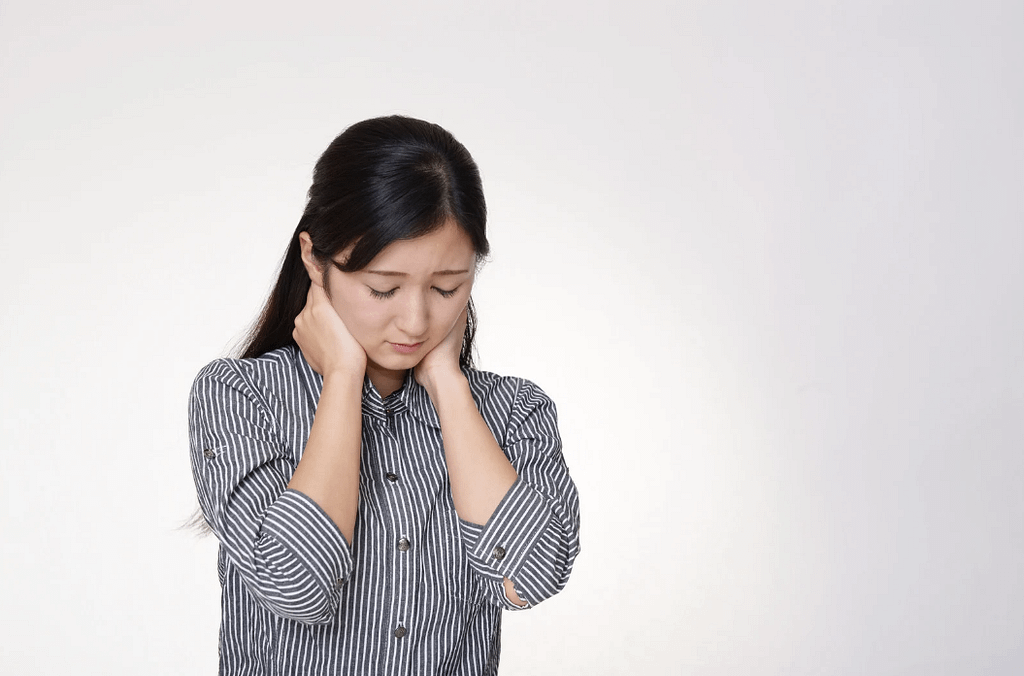
Maybe it’s time to stop. Stop curating the breakdown, stop making the exhaustion pretty, stop turning your suffering into content that performs well. If you’re going to acknowledge that you’re burnt out, then actually acknowledge it – not with a perfectly filtered photo or a witty caption, but with the full, honest truth of it. Feel the rawness of the pain. The frustration that sits heavy in your chest. The ache in your bones that no amount of aesthetic lighting can soften. The hunger – not just for food or sleep, but for change. For more.

Because only when you acknowledge the validity of your feelings, the realness of your pain, can true change and healing begin. Reaching out for support isn’t admitting defeat – it’s choosing honesty over performance. Whether it’s therapy, counseling, or simply talking to someone who understands, professional support can help you move from performing exhaustion to actually recovering from it. Your exhaustion doesn’t need to be beautiful to matter. It just needs to be honest.


