

The Dangers of Self-Diagnosis

Have you ever come across videos like these on social media? Have the “signs” felt uncomfortably familiar? An online “checklist” seems to explain what you’ve been feeling for weeks. You feel seen, relieved, validated, and finally understood. But when self-reflection quietly turns into self-diagnosis, real mental health risks can begin to emerge.
Self-Diagnosis happens when people label their mental health condition based on online information, social media content, or personal interpretation without professional advice. To be clear, self-awareness is healthy and vital. Paying attention to your thoughts, emotions, and struggles is a form of self-care. The problem arises when those observations are quickly turned into diagnoses, which can be misleading and harmful.
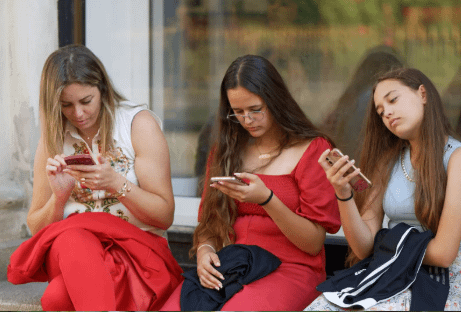
Research suggests that problematic Tiktok use among young adults is associated with higher levels of anxiety and depressive symptoms (Galanis et al., 2025; Jain et al., 2025). This does not mean social media causes mental illness. Rather, frequent exposure to symptom-focused content encourages constant self-monitoring. Over time, repeatedly checking whether something is “wrong” may increase unnecessary fear, worry, and emotional distress when experiences fall within normal reactions to stress.
Self-diagnosis can also lead to what we call a “Self-Fulfilling Prophecy.” When individuals strongly believe they have a particular condition, that belief shapes how they think, behave, and interpret everyday experiences. Avoidance, lowered expectations, or heightened vigilance may unintentionally reinforce the very difficulties they fear.

Another risk is delayed help-seeking. When people feel confident they already “know” what is going on, they may hinder professional consultation, missing opportunities for clarity, support, and early intervention.
Mental Health Professionals are trained to look at the whole picture, your experiences, context, history, and strengths. We listen with intent, ask meaningful questions, and offer care. If something does not feel right, noticing that is not weakness, it is awareness. Seeking professional help is not a failure; it is often the first step toward understanding and healing. You do not have to figure this out alone. You deserve care that goes deeper than a 60-second video.
References:
Galanis, P., Katsiroumpa, A., Katsiroumpa, Z., Mangoulia, P., Gallos, P., Moisoglou, I., & Koukia, E. (2025). Association between problematic TikTok use and mental health: A systematic review and meta-analysis. AIMS public health, 12(2), 491–519. https://doi.org/10.3934/publichealth.2025027
Jain, L., Velez, L., Karlapati, S., Forand, M., Kannali, R., Yousaf, R. A., Ahmed, R., Sarfraz, Z., Sutter, P. A., Tallo, C. A., & Ahmed, S. (2025). Exploring Problematic TikTok Use and Mental Health Issues: A Systematic Review of Empirical Studies. Journal of primary care & community health, 16, 21501319251327303. https://doi.org/10.1177/21501319251327303


